Chicago
Chicago electrician questions often come down to Chicago Electrical Code, brick two-flats and alley services. Typical work here includes panel upgrades, condo/common-area work, EV chargers, generator systems and basement electrical repairs.

Housing and electrical context in Chicago
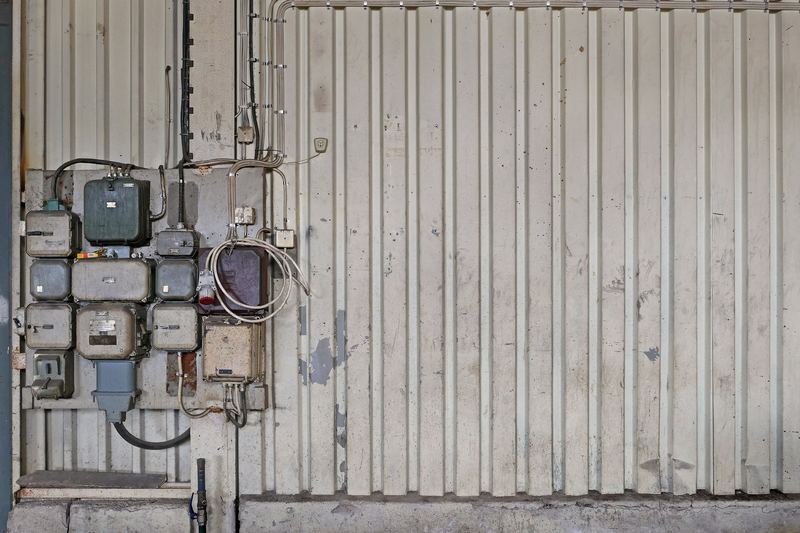
Chicago’s two-flats, bungalows and high-rises fall under the Chicago Electrical Code. Older fuse panels and knob-and-tube still appear; alley-fed services and basement panels are common patterns.
Older panels, limited spare ways and outdoor equipment exposed to local weather are common reasons homeowners call for an assessment before adding loads.
Climate, storms and electrical demand
Harsh winters, humid summers and lake-effect storms; basement flooding can soak lower-level electrical equipment.
Generators, surge protection and weatherproof outdoor equipment are planned around local storm and outage patterns — not a one-size package.
Local approvals and rules
City of Chicago Department of Buildings is the AHJ; Commonwealth Edison (ComEd) is the utility.
Illinois has no single statewide residential electrical code for every town; municipalities adopt the NEC (often with local amendments) and Chicago uses its own Chicago Electrical Code. Electrician licensing is commonly through the City of Chicago or other municipal boards, and the Illinois Commerce Commission oversees utility service rules.
Typical electrician work in Chicago
Panel upgrades, condo/common-area work, EV chargers, generator systems and basement electrical repairs. Every property is different, so the installation is inspected on site before any repair or upgrade is recommended or quoted.
Know where your panel and main breaker are, keep the area clear, and note any recent tripping, burning smells or planned EV charger or renovation work before the visit.
Illinois Electrician Pro in Chicago
We take electrician enquiries from Chicago and surrounding areas around the clock. Tell us the address, what lost power or what you want installed, and we will arrange a visit.